
Switzerland exports less than two percent of its wine. Think about that. For every 100 bottles produced in the Swiss Alps, 98 of them are drunk within the country before they can ever leave. Which means even serious wine drinkers in the United States have probably never had a bottle of Swiss wine. When you see that Switzerland is playing Qatar at Levi's Stadium on June 13, you start wondering: what would Swiss wine even taste like? Short answer: crisp, mineral, alpine, and very, very hard to find in San Jose. Here's a primer — consider it homework for the match.
Meet Chasselas — Switzerland's signature grape
Chasselas (called Fendant in the Valais region) is the most-planted white grape in Switzerland. It's a low-alcohol, high-acid, almost whisper-quiet wine that reflects the alpine terroir better than almost any other grape in Europe. You won't find this bottle tasting tropical or oaky. You'll find it tasting like cold mountain water, wet stone, a squeeze of citrus, and the faintest hint of white flower. It's the kind of wine that should be poured by people who respect restraint.
Chasselas lives on a spectrum. From the shores of Lake Geneva, you get delicate, lemon-zest-driven versions. From Valais (deeper into the Alps), you get fuller, richer Fendant with a mineral backbone that makes it unforgettable with fondue. If you want to track one down for your own Qatar vs. Switzerland watch party on June 13, ask at a serious wine shop for a "Fendant from Valais" — K&L, Vintage Berkeley, and the Wine Club in San Jose occasionally carry Swiss imports.
The food pairing that made Switzerland famous
The most obvious pairing is what the Swiss have been doing for centuries: fondue and raclette. Chasselas cuts through the richness of melted Gruyère and Emmentaler in a way that almost nothing else can. The bright acid resets your palate between bites, and the mineral character picks up the nutty, savory flavors in the cheese.
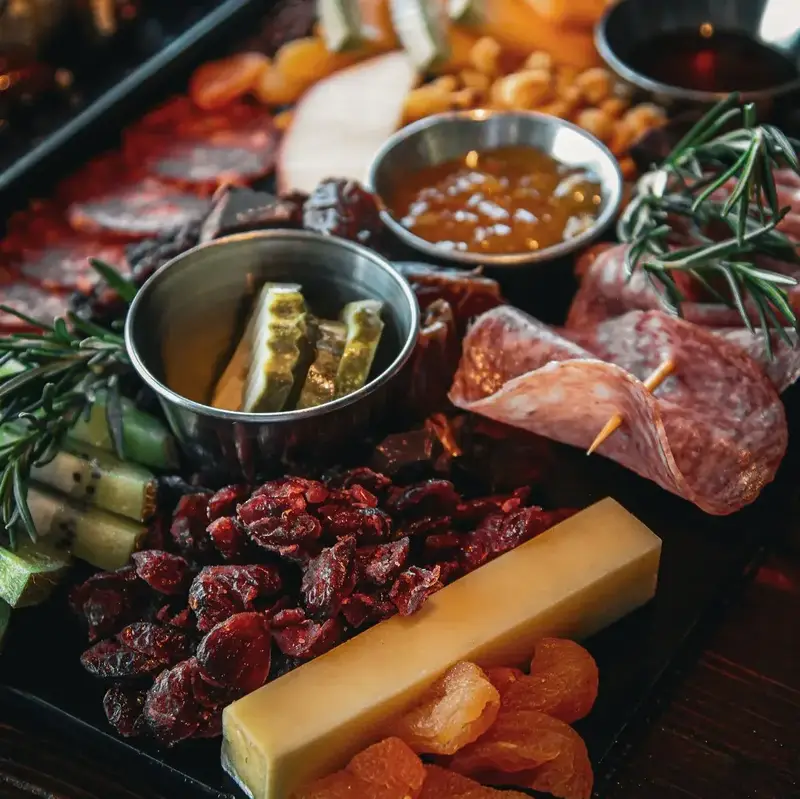
For a home watch party: a classic two-cheese fondue (Gruyère and Emmentaler, a splash of kirsch, fresh bread for dipping) and a raclette plate with cornichons, boiled baby potatoes, and cured bündnerfleisch or good dry-cured ham on the side. It's one of the most forgiving menus you can cook — most of the work is done by the cheese — and it'll keep everyone at the table fed through a full match.
Other Swiss wines worth knowing
While we're on the subject: Switzerland also makes a serious Pinot Noir (particularly from Graubünden), a light-bodied Gamay that rivals anything from Beaujolais, and an oddball native red called Cornalin that's almost impossible to find outside the Valais. If you fall in love with the Swiss style, the names to search for at an import shop: Marie-Thérèse Chappaz, Domaine Jean-René Germanier, Robert Gilliard. Fair warning: you'll probably have to special-order them.
Come watch the match with us — June 13, 12 PM kickoff
Qatar vs. Switzerland kicks off at 12 PM PT on Saturday, June 13. We'll have the match on, and our regular menu and wine list will be running as usual — come hang out, chat about Swiss wine at the bar, and catch the opening weekend of the tournament. Reserve at (408) 293-7574, or see our match-day page.
For the full country-by-country guide — including Austrian Grüner Veltliner on June 16 and Barossa Shiraz on June 25 — see our World Cup 2026 page. And if wine is your thing, you'll also enjoy our guide to the 5 best cheese and wine pairings for beginners.